
5 Signs Your Switchboard Needs an Upgrade
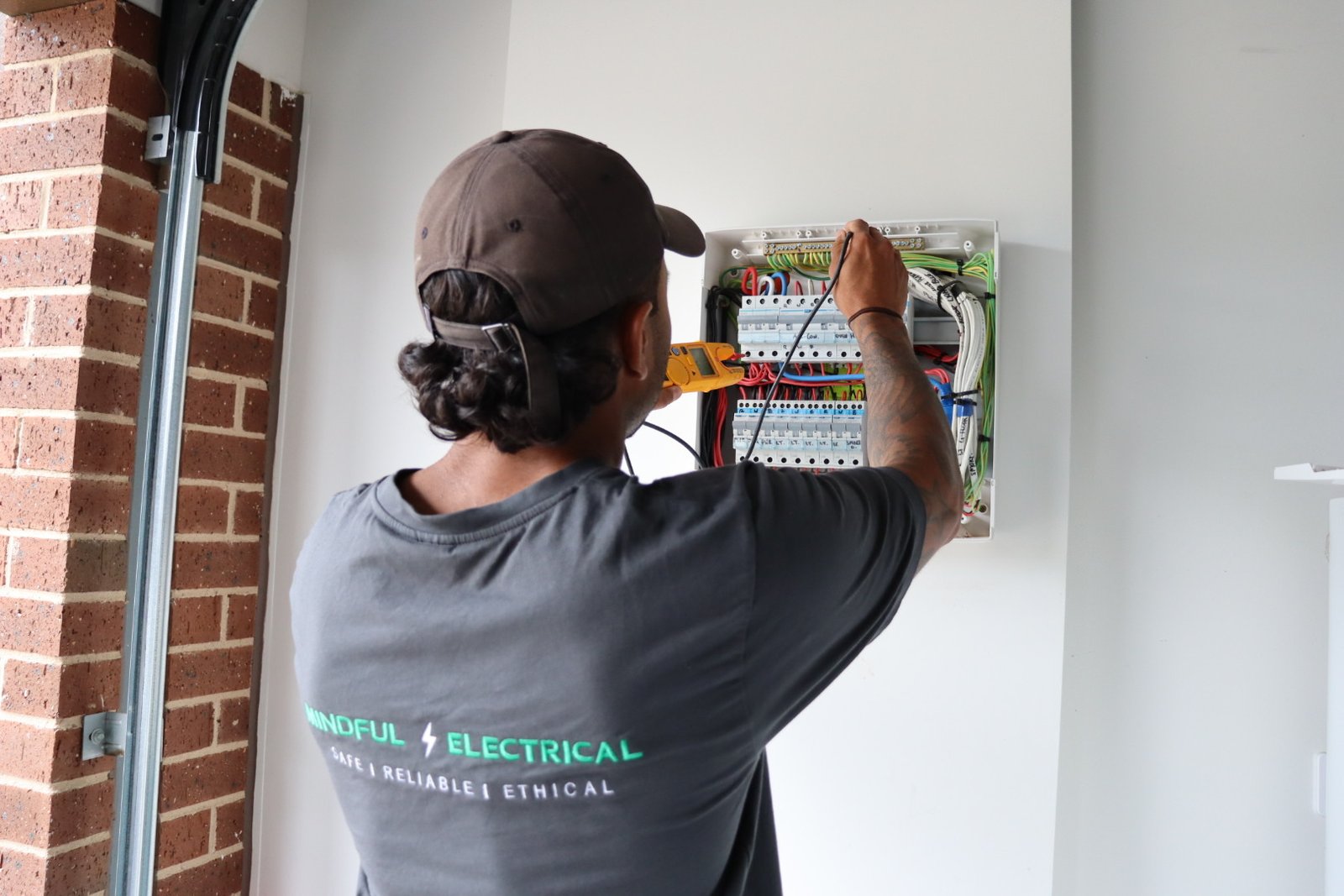
Your switchboard plays a critical role in keeping your electrical system safe and functioning properly. It distributes power to different circuits throughout your home or business and protects the system from overloads and electrical faults. As electrical demands increase with modern appliances, older switchboards may struggle to keep up.
Many properties built years ago were designed for far fewer electrical devices than we use today. Air conditioning systems, electric cooktops, EV chargers, and home offices place additional strain on electrical infrastructure. When a switchboard becomes outdated or overloaded, it can create safety risks, reduce efficiency, and increase the likelihood of electrical faults.
Understanding the warning signs of an aging switchboard can help you address potential problems early and ensure your property remains safe and compliant with current electrical standards.
1. Frequent Circuit Breaker Trips
One of the most common signs of a switchboard problem is circuit breakers tripping frequently. Circuit breakers are designed to cut power when they detect an overload or fault, preventing damage to wiring and reducing fire risk.
If your breakers trip regularly when using common appliances such as kettles, ovens, or heaters, it may indicate that your switchboard is struggling to handle the electrical load. This can occur when additional appliances are installed over time without upgrading the electrical system.
While occasional tripping may happen, frequent interruptions suggest the system requires inspection by a licensed electrician to determine whether an upgrade is needed.
2. Flickering or Dimming Lights
Lights that flicker, dim, or change brightness when other appliances turn on can signal an imbalance in the electrical system. This often happens when circuits are overloaded or when power distribution is inconsistent.
For example, you may notice lights dimming when a microwave, vacuum cleaner, or air conditioner starts running. While this might seem like a minor inconvenience, it can indicate that your switchboard is operating close to its capacity.
A properly upgraded switchboard helps stabilise power distribution and ensures that your electrical system can safely handle everyday usage.
2. Flickering or Dimming Lights
Lights that flicker, dim, or change brightness when other appliances turn on can signal an imbalance in the electrical system. This often happens when circuits are overloaded or when power distribution is inconsistent.
For example, you may notice lights dimming when a microwave, vacuum cleaner, or air conditioner starts running. While this might seem like a minor inconvenience, it can indicate that your switchboard is operating close to its capacity.
A properly upgraded switchboard helps stabilise power distribution and ensures that your electrical system can safely handle everyday usage.
3. Burning Smell or Heat Around the Switchboard
Any burning smell, unusual heat, or discoloration near the switchboard should be treated as a serious warning sign. These symptoms may indicate damaged wiring, overloaded circuits, or loose connections.
Electrical components that overheat can increase the risk of electrical fires. If you notice warmth around the switchboard panel or detect a burning odour, it is important to turn off the power if safe to do so and contact a qualified electrician immediately.
Early inspection can prevent further damage and ensure the system is repaired or upgraded before it becomes a major safety hazard.
4. Presence of Old Ceramic Fuses
Many older homes still rely on ceramic fuse systems instead of modern circuit breakers. While these systems were once common, they do not provide the same level of safety and convenience as modern switchboards.
Ceramic fuses need to be replaced manually when they blow, and they offer limited protection against certain electrical faults. Modern switchboards use circuit breakers and safety switches that respond quickly to electrical issues and can be reset easily.
Upgrading from ceramic fuses to a modern switchboard significantly improves both safety and usability.
5. No Safety Switch Installed
Safety switches, also known as RCDs, are designed to protect people from electric shock. They detect electrical imbalances and shut off power within milliseconds if a fault occurs.
If your switchboard does not have safety switches installed, your property may not meet current safety recommendations. Safety switches are particularly important in areas where electricity and water are used together, such as kitchens, bathrooms, and outdoor areas.
Installing a modern switchboard with RCD protection greatly reduces the risk of electrical accidents and improves overall safety for occupants.
When to Call a Licensed Electrician
If you notice any of the signs mentioned above, it is a good idea to have your electrical system inspected by a licensed electrician. A professional inspection can identify potential risks and determine whether a repair or full switchboard upgrade is required.
Electrical systems should never be modified or repaired by unqualified individuals. Working with a licensed electrician ensures the work is completed safely and in accordance with electrical standards.
Final Thoughts
Your switchboard is one of the most important safety components in your electrical system. When it becomes outdated or overloaded, it can affect both performance and safety.
Recognising early warning signs such as frequent breaker trips, flickering lights, old fuse systems, or missing safety switches can help you take action before small problems become major issues. Upgrading your switchboard ensures your property is safer, more reliable, and ready to handle modern electrical demands.